
Newsletters
Our latest updates, wildlife stories, and seasonal highlights from across East Africa.
January 2026
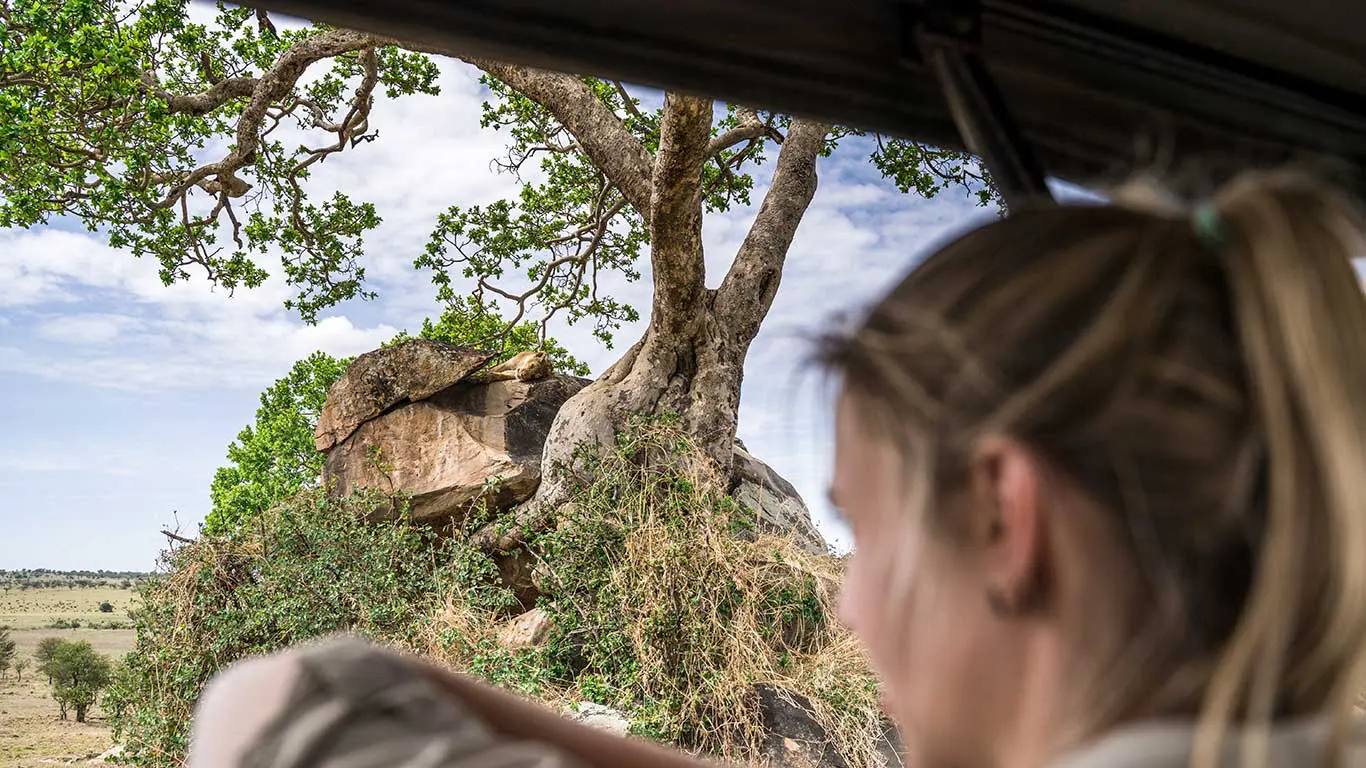
Set in the northern Serengeti area, Elewana Serengeti Migration Camp overlooks the iconic Grumeti River and is home to resident hippos and dramatic wildlife encounters.
The camp comprises 20 elevated, spacious tents, each featuring a 360-degree veranda deck that allows guests to fully absorb the sights and sounds of the surrounding wilderness. The main tented area includes a restaurant, swimming pool, and viewing platforms designed to create an experience that feels both close to nature and effortlessly comfortable.
Professionally guided game drives and walking safaris offer guests the opportunity to witness the awe-inspiring annual migration of more than 200,000 zebras and 300,000 Thomson’s gazelles, alongside the Serengeti’s abundant resident wildlife. This remarkable setting delivers a safari experience that is both immersive and unforgettable.

At Elewana’s Loisaba camps, menus are shaped by the landscape and the communities that have lived alongside it for generations, with ingredients chosen for both flavour and sustainability. Wild conservancy honey and camel milk reflect this connection, sourced directly from within Loisaba Conservancy and produced through low-impact, conservation-led practices. Bees forage freely across more than 56,000 acres of protected wilderness, giving the honey its seasonal character, while handmade hives placed high in trees protect both bees and elephants. Camel milk, long relied upon by pastoral communities, is sourced locally through Camelixir and valued for its minimal water use, nutritional richness, and suitability to arid environments.
These ingredients appear naturally across the guest experience, from coffee and breakfast to the desserts made in camp, creating a tangible link between food, place, and people. Beyond the kitchen, guests can also bring home conservancy honey and camel milk products, offering a meaningful reminder of Loisaba’s commitment to conservation, community, and responsible sourcing.
Chai Spiced Sponge, Camel Milk Ice-cream with ECO conservancy Honey, Caramelized Apple, Cinnamon Tuile, Caramelized Popcorn
Chai Spiced Sponge
For the chai tea infused milk
300 ml Milk any kind and 8 Chai tea bags
For the cake
180 ml Chai tea infused milk
275 g Butter or baking spread softened, unsalted
275 g Light brown soft sugar
4 Eggs large
2 tsp Vanilla extract
400 g Self raising flour
½ tsp Bicarbonate of soda
1 tsp Cinnamon
½ tsp Ground ginger
½ tsp Ground cloves
½ tsp Ground cardamom
½ tsp Ground nutmeg
Method
To make the chai tea infused milk, warm up the milk until it is hot but not boiling, take it off the heat and add the chai spiced tea bags. Leave to brew for 10-15 minutes. Before removing them, squeeze them out as much as possible
Pre-heat your oven to 160C Fan/350F/Gas Mark 4, and grease and line two 8" cake tins (that are at least 2" deep)
Make the sponge by mixing the baking spread and light brown soft sugar together in a mixing bowl until fluffy (around 3 minutes), ideally using an electric mixer. Or mix in a stand mixer with the paddle attachment
Add the eggs and vanilla extract, and mix until fully incorporated
Add the self-rising flour, bicarbonate of soda, cinnamon, ground ginger, ground cardamom, ground cloves and the chai tea infused milk, and whisk or fold in gently
Divide the mixture between the tins, use scales for accuracy if you like. Bake them for 35-40 minutes or until a thin skewer inserted in the middle comes out clean. Leave them to fully cool either in the tins or remove from the tins and place on cooling racks
Caramelized Apple
- 28g Butter
- 4 Apples, peeled and cut into wedges
- 56g Honey
- 112g White Wine
- 28g Butter
Method:
- In a pan heat the one portion of butter, the sear off the apples.
- Remove apples from the pan and reserve.
- Add the honey and cook for a few minutes and then add the white wine, reduce to a caramel.
- Stir in the butter and then add the apple back and cook until glazed.
Cinnamon Tuille
- Phyllo Pastry
- Melted butter
- Cinnamon and sugar mixture
Method:
- Melt the butter
- Separate the phyllo pastry, then brush with butter and sprinkle with the cinnamon and sugar mixture. Continue this for a few layers and then place onto a baking sheet and bake until golden brown and crispy
Caramel Popcorn
- 80g Popped popcorn
- 312g Sugar
- 75g Water
- 15g Butter
Method:
- Pop the popcorn
- Make a caramel with the sugar and water, cook the caramel until a dark amber colour.
- Once the caramel is ready remove from the heat and stir in the butter
- Quickly pour the caramel over the popcorn and stir until completely covered.
Camel Ice Cream
- 24 egg yolks
- 400g sugar
- 225g glucose
- 1000ml Camel milk
- 1000ml cream
- 1 tbsp vanilla
Method:
- To make the ice cream base - heat the cream, milk and glucose until just boiling point and then temper into the whisked sugar and egg yolks.
- Return to the pot and cook slightly
- Strain the mixture to cool and then churn the ice cream.
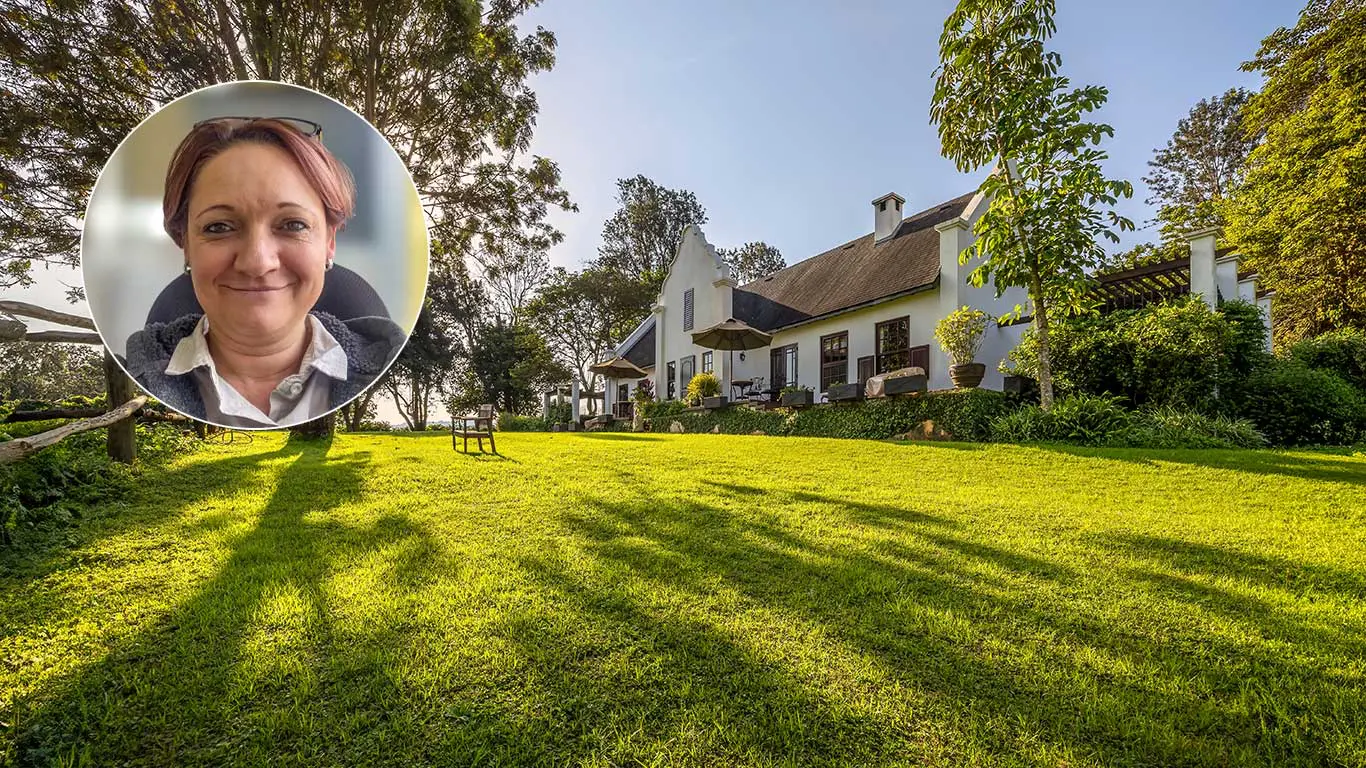
Winnie van der Watt, Group Training & Development Manager, shares more about the focus of Elewana’s training and development which will centre on embedding learning more intentionally into daily operations.
What are the main training and development priorities for 2026?
Building on the strong foundations laid in 2024 and 2025, our focus in 2026 is on deepening capability and confidence across our teams in a way that is practical, consistent, and sustainable. Over the past two years, we concentrated on strengthening technical skill, professional presence, and guest care through focused departmental training. This year, we are embedding learning more intentionally into daily operations, strengthening leadership ownership, and ensuring training translates into consistent behaviours on the ground. The priority is not simply delivering training, but ensuring it becomes part of how we work, lead, and serve every day.
Are there any new programmes or initiatives you’re particularly excited to roll out this year?
In 2026, we are evolving our Learning & Capability Development approach to more clearly connect technical excellence, leadership growth, and personal development. Building on the success of our in-person workshops and the Lobster Ink platform, we are introducing more structured coaching pathways and clearer development journeys for team members and Heads of Department. What is most exciting is how these initiatives support long-term growth, encourage ownership, and create consistency across properties while still respecting each location’s unique context.
What do you hope team members will gain from these training initiatives?
One of the strongest outcomes from 2025 was a noticeable increase in confidence across teams, particularly in guest-facing departments. In 2026, we want to build on that momentum by ensuring team members feel empowered, capable, and proud of the role they play in the overall guest experience. Our aim is for individuals to understand not only what is expected of them, but why it matters. When people feel confident, supported, and trusted, they are better able to deliver thoughtful, personal, and consistent service.
How do you keep training programmes engaging and relevant across such a diverse collection of properties and teams?
Our approach is to maintain clear group standards while allowing flexibility in how training is applied on property. Elewana’s diversity is one of its greatest strengths, and our training reflects that. We combine structured learning through platforms like Lobster Ink with hands-on coaching, mentoring, and real-life scenarios that teams encounter in their day-to-day work. This blended approach ensures training remains practical, engaging, and relevant, while providing equal access to development opportunities across all properties in Kenya and Tanzania.
How do you balance practical, on-the-job training with longer-term personal and professional development?
We see on-the-job training and long-term development as naturally connected. Practical training builds immediate confidence and competence, while longer-term development focuses on leadership, communication, and personal growth. In 2026, we are strengthening this balance by ensuring formal training is consistently reinforced through coaching and mentorship on property. This allows learning to be applied in real time, while also supporting individuals as they grow beyond their current roles.
Are there any success stories from 2025 that are helping to shape how you're organising training & development this year and in the future?
Yes, very much so. Several 2025 initiatives have directly influenced how we are shaping training in 2026. The impact of our Spa training sessions was particularly encouraging, with therapists reporting increased confidence, stronger technical skills, and greater ease in engaging with guests.
In the Kitchen, training led by Wesley Petersen & Amie McNeice (Group Training & Development Chefs) resulted in thoughtful menu developments and enhancements, strengthening culinary consistency while allowing chefs to express creativity and elevate presentation and flavour across properties.
Guide training facilitated by Wesley Cragg (Group Guide Training Manager) and Hamza Visram (Head Guide & Group Guide Training - Tanzania) also had a strong impact, reinforcing technical guiding skills, storytelling, and guest engagement, while building confidence and consistency in how experiences are delivered in the field.
Alongside this, strong engagement with Lobster Ink highlighted the value of accessible, consistent learning across the collection. Collectively, these successes reinforced the importance of leadership involvement, follow-up, and ongoing coaching, and they have directly informed how we are structuring training in 2026 to ensure learning is sustained, applied, and meaningful.
As Winnie shares,
“Our focus for 2026 is not simply on delivering training, but on embedding learning into how we work, lead, and serve every day. When teams feel confident, supported, and trusted, they naturally deliver thoughtful, consistent experiences. By strengthening capability through practical training, coaching, and shared ownership, we ensure development is sustained on the ground and reflected in every guest interaction.”
